Specialized Industrial Process Cleaning | Hydrokinetics
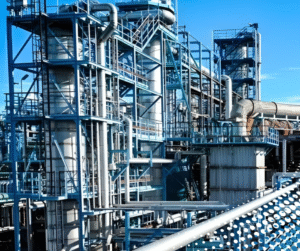
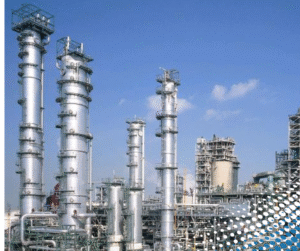
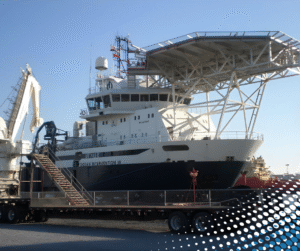
Hydrokinetics delivers advanced, patented Hydrokinetic Cleaning technology to safely and efficiently remove foulants from refining, petrochemical, plastics, power generation, and both onshore and offshore facilities. Whether it’s unexpected flow loss or a scheduled shutdown, we restore performance faster and safer than any other traditional methods.
Costs in productivity, revenue and reputations can be considerable. And conventional cleaning methods to remove foulants are often as time-consuming as they are ineffectual. Worse still, they can damage process equipment and pose a variety of safety concerns. With patented and proven sonic resonance technology, Hydrokinetics can blast through conventional limitations.
About Hydrokinetics
A long history of quick response
Based in Texas, Hydrokinetics delivers advanced hydroblasting solutions to clear foulants while reducing downtime, risk, and cost. We help industrial facilities restore flow, improve heat transfer, and eliminate stubborn deposits in pipes, heat exchangers, and critical process equipment.
For over three decades, our patented sonic cleaning technology has cleared fouling issues that most traditional methods can’t. With 24/7 emergency response, a highly trained team, and a track record of success across major oil and gas facilities, we’re built for the toughest challenges onshore and offshore.
A breakthrough in foulant‑removal technology.
Literally.
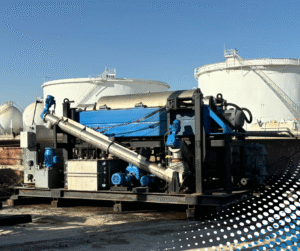
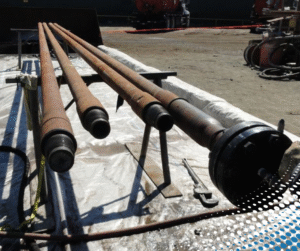
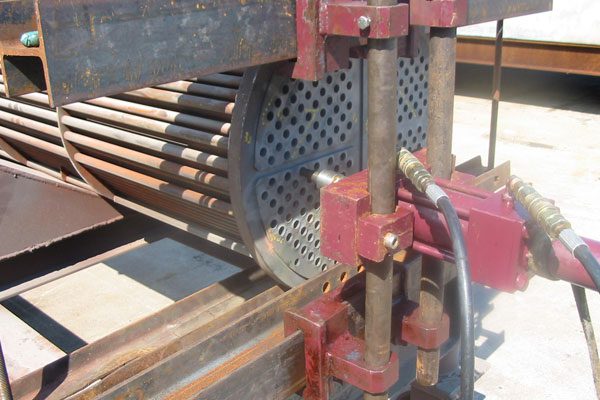
Hydrokinetics offers proven, patented high-pressure cleaning processes for piping, tubes and process equipment.
It’s fast—taking hours instead of days to safely remove foulants that other solutions simply can’t, getting you back up and running at maximum profitability sooner.
Our technology has been used successfully in a variety of applications, including:
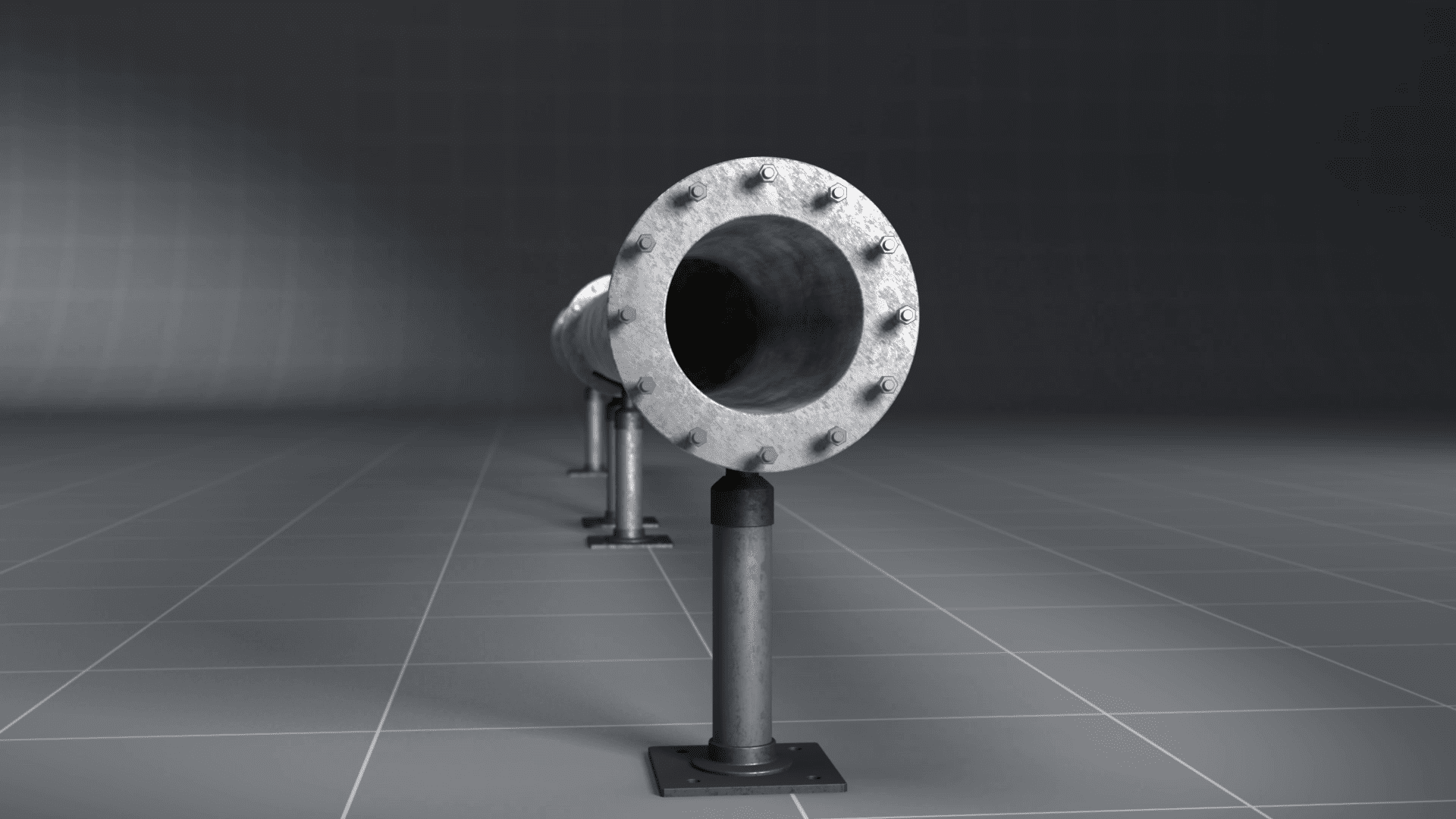
Our patented Hydrokinetics cleaning process cleans pipes and production systems other methods can’t. By inducing sonic resonance in the water stream, it safely breaks the bond between the metal and the fouling material, allowing the obstruction to be easily expelled.
Our patented Hydrokinetics cleaning process cleans pipes and production systems other methods can’t. By inducing sonic resonance in the water stream, it safely breaks the bond between the metal and the fouling material, allowing the obstruction to be easily expelled.
Previous
Next
How It Works
A Solution That Resonates
Our technology is built on the power of sonic resonance, which is introduced directly into the cleaning water stream. This sonic resonance travels through the flow and easily breaks down even the most stubborn foulants.
Restore your flow, reduce downtime, and eliminate stubborn fouling. Send us a message to learn more about our specialized industrial cleaning and how we can help your facility.